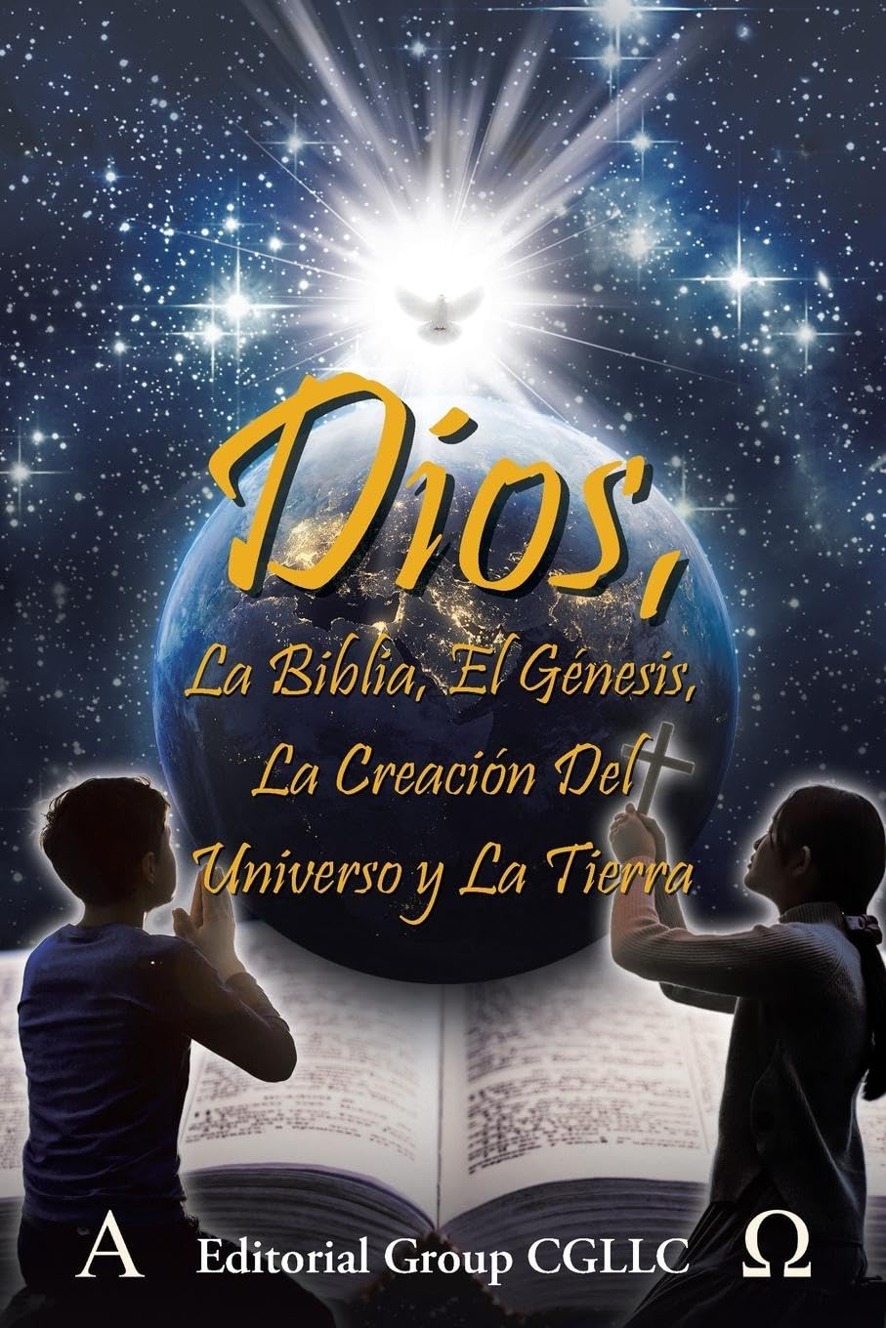
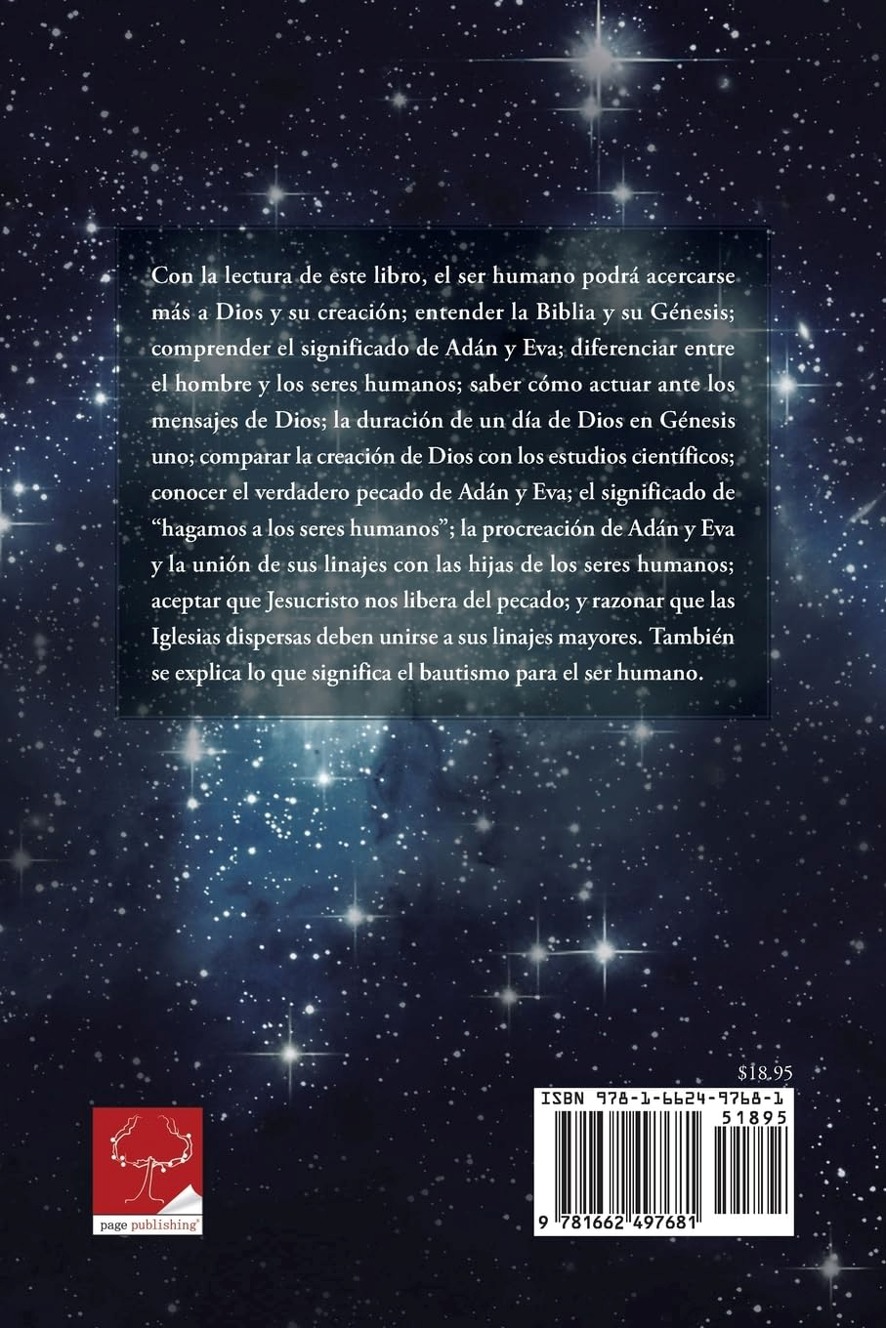
Forty years of research on God, the Bible, and Genesis, compared side by side with cosmology, geology, and history. This is the timeline that reconciles the six days of creation with the billions of years described by modern science.
The book proposes a specific reading of the biblical text: the sun does not appear until the fourth day. If there is no sun for the first three days, those days cannot be measured by sunrise and sunset. A day of God, Ramón Celi argues, was never a solar rotation. It was a divine period.
Change that one unit and the conflict begins to dissolve. The formation of the universe, the appearance of Earth, the development of life, and the creation of the human being fall into a sequence that reads the same way in both accounts. The rock record and Genesis stop describing different events.
The book also separates what most translations blur: the first man is one act of creation, the human beings are another. From that distinction, several old puzzles start to make sense. Where Cain's wife came from. What the two trees in the garden actually were. What the real sin was, and what was permanently lost when it happened.
The final chapters trace the return path through Jesus Christ, the elder brother in faith, and close with an argument on what baptism means for the human being. Every claim is built from the biblical text, so the reader can weigh the reasoning against the passages themselves.